Why Losing a Dog Can Feel Worse Than Losing Some People
If you have recently lost a beloved dog and have been surprised by the intensity of your grief, you are not alone.
Many people find themselves asking a question they never expected to face:
"Why does losing my dog hurt this much?"
Some even feel confused or guilty because their grief feels more intense than it did following the loss of certain people in their lives.
This can feel uncomfortable to admit. Yet it is an experience that many pet owners quietly share.
The truth is that grief is not measured by species. It is measured by connection.
The Unique Bond We Share With Our Dogs
Dogs occupy a very special place in our lives.
Unlike many human relationships, the relationship we have with our dogs is often uncomplicated. They do not judge us. They do not criticise us. They do not hold grudges.
They greet us enthusiastically when we come home, regardless of what kind of day we have had.
They sit beside us when we are sad.
They celebrate life's ordinary moments with us.
For many people, a dog is not simply a pet. They are a trusted companion, a loyal friend and an important member of the family.
Over time, they become woven into the fabric of our daily lives.
The morning walk.
The sound of paws on the floor.
The familiar place they sleep.
The excited greeting at the door.
The quiet companionship on difficult days.
When they die, it is not only their physical presence that we lose. We lose an entire relationship and all the routines, comforts and moments that came with it.
Why The Grief Can Feel So Intense
Many people underestimate the emotional role their dog plays in their life until they are no longer there.
Dogs often witness parts of our lives that nobody else sees.
They are there through relationship difficulties, illnesses, career changes, family challenges and personal struggles.
They share our homes and our daily routines.
They provide comfort without needing words.
For some people, their dog may have been their primary source of companionship, particularly if they live alone, work from home, are retired, or have experienced periods of isolation.
When that relationship ends, the loss can feel profound.
The intensity of your grief does not mean you are overreacting.
It means the relationship mattered.
Comparing Grief Can Be Unhelpful
Many grieving pet owners find themselves thinking:
"Why am I more upset about losing my dog than I was when my relative died?"
This question often creates unnecessary guilt.
Every relationship is different.
The depth of grief we experience is influenced by many factors, including:
- The closeness of the relationship
- The role that person or animal played in our life
- The amount of time spent together
- The emotional support they provided
- The circumstances surrounding the loss
Losing a beloved dog does not diminish the significance of any other loss you have experienced.
It simply reflects the unique place they held in your heart.
The Empty Spaces They Leave Behind
One of the hardest aspects of losing a dog is the constant reminders of their absence.
The empty bed.
The unused lead.
The missing footsteps.
The quiet house.
The routines that suddenly disappear.
These small reminders can trigger waves of grief throughout the day.
Many people find themselves instinctively looking for their dog or expecting to hear familiar sounds around the house.
These experiences are completely normal.
They are signs of a relationship that was deeply embedded within your daily life.
You Do Not Need Permission To Grieve
Unfortunately, pet loss is sometimes misunderstood.
You may hear well-meaning comments such as:
"At least they had a good life."
"You can always get another dog."
Although these comments are often intended to comfort, they can leave people feeling unseen and alone.
The reality is that your grief does not require anyone else's approval.
You do not need permission to mourn someone you loved.
Your relationship mattered.
Your loss matters.
And your grief matters.
Moving Forward Does Not Mean Forgetting
Many people worry that healing means leaving their dog behind.
It does not.
Healing is not about forgetting.
It is about learning how to carry both love and loss together.
In time, the sharp edges of grief often soften.
The tears may become less frequent.
The memories may begin to bring more smiles than sadness.
But the bond you shared remains part of your story forever.
The love does not disappear.
It simply changes shape.
A Personal Reflection
As both a counsellor and a pet owner, I understand how profound this loss can feel.
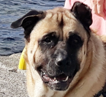
Earlier this year, my own family said goodbye to our beloved dog, Sully.
Like many people experiencing pet bereavement, we found ourselves grieving not only his absence, but also the countless small moments that had become part of everyday life. The quiet spaces he once filled felt empty. His bed remained where it had always been. His lead still hung in the utility. The routines we had shared for years suddenly stopped.
Experiencing that loss reinforced something I have seen repeatedly in my counselling work: grief after the death of a beloved pet is real, significant and deserving of compassion.
The depth of our grief reflects the depth of our bond.
If you are struggling with the loss of your own companion, please know that you are not alone. Your feelings are valid, your relationship mattered, and your grief deserves to be acknowledged with kindness rather than judgement.
Final Thoughts
If you are grieving the loss of a beloved dog today, please be gentle with yourself.
There is no right way to grieve.
There is no timetable for healing.
And there is nothing wrong with the depth of your sadness.
The pain you feel is not a sign that you are weak.
It is a reflection of the love you shared.
And love always leaves its mark.
Free Guide
If you have recently lost a beloved pet, you may find comfort in my free guide:
The First 30 Days After Losing a Beloved Pet
A gentle companion designed to support you through the early days of grief.
Request Your Free Copy
About the Author
My name is Tina Connell and I am a qualified counsellor based in West Yorkshire.
Alongside supporting clients with grief, anxiety and life's many transitions, I have a particular interest in helping people navigate the loss of a beloved companion animal.
Through Healing Therapies, I offer a warm, compassionate and non-judgemental space where clients can explore their grief safely and at their own pace.
For more information, visit www.healingtherapies.uk.